
08 April 2026
Gum Bleeding – Causes and Treatment
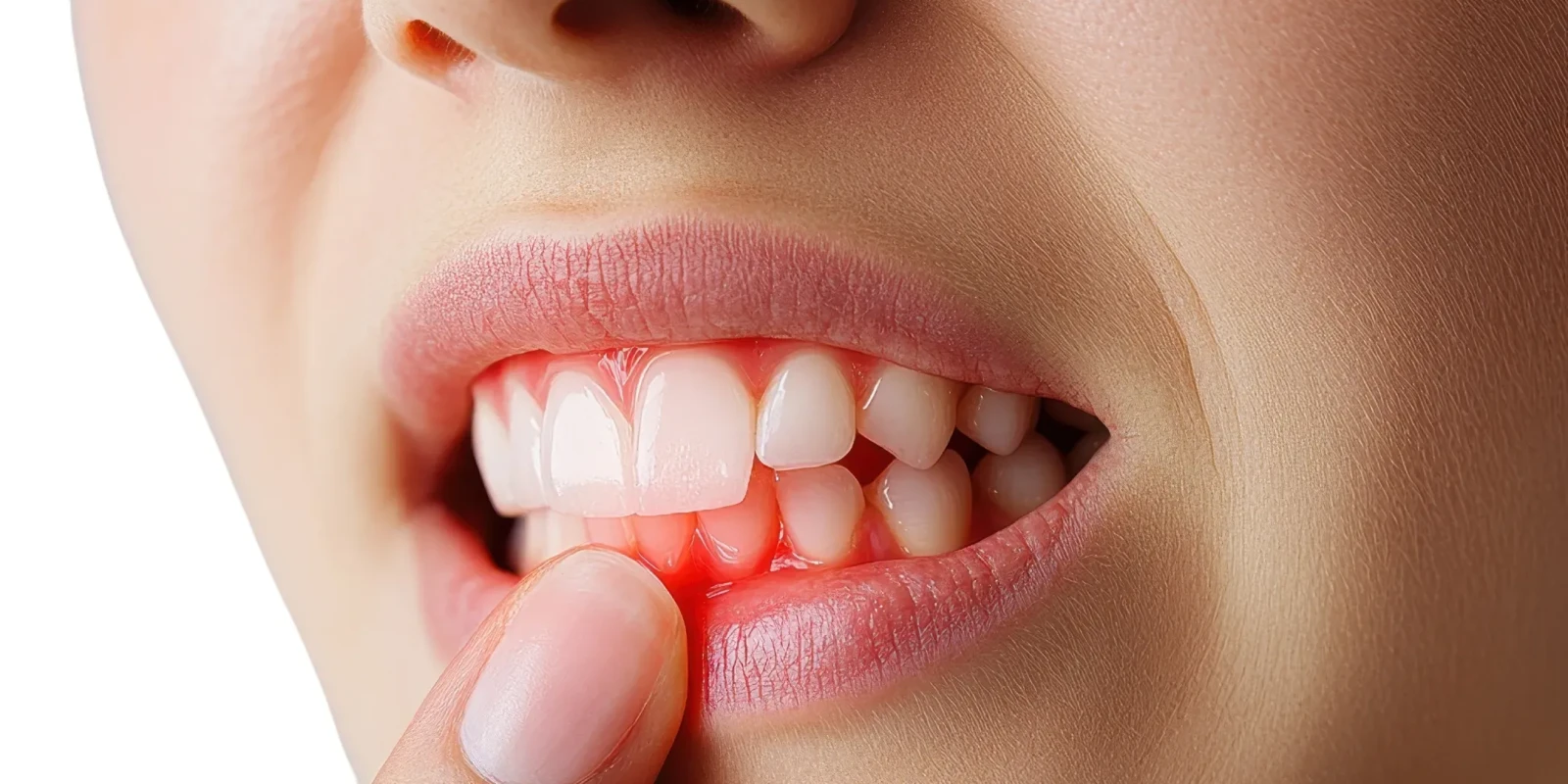
Gum bleeding is one of the most common dental symptoms
, which often indicates gum inflammation or insufficient oral hygiene. Bleeding may occur while brushing teeth, chewing food, or sometimes even spontaneously.
Main Causes of Gum Bleeding
1. Gingivitis (gum inflammation)
Gingivitis is a superficial inflammation of the gums caused by bacterial plaque buildup. This is the most common reason why gum bleeding starts.
2. Periodontitis (advanced gum disease)
If gingivitis is not treated, it can progress into periodontitis, which damages the tissues supporting the teeth and may even lead to tooth loss.
3. Poor oral hygiene
Irregular brushing allows bacteria to accumulate, which directly causes gum irritation and bleeding.
4. Vitamin deficiency
A deficiency in vitamin C weakens gum tissue and can lead to bleeding.
5. Pregnancy and hormonal changes
Hormonal changes during pregnancy increase gum sensitivity and the risk of bleeding.
6. Incorrect toothbrush or aggressive brushing
Using a hard-bristled toothbrush or brushing too aggressively can damage the gums and cause bleeding.
Gum bleeding is often not considered a serious problem, but in reality it may indicate:
Early stage of periodontitis
- Risk of tooth loss
- Chronic inflammation in the body
- Spread of oral infection
- Treatment of gum bleeding
- Professional dental cleaning
- Proper oral hygiene
- Using a soft toothbrush
- Regular dental visits
⚠️ Self-treatment is not enough – professional diagnosis is necessary.
How to prevent gum bleeding?
- Brush teeth twice a day
- Use a dental irrigator
- Use mouthwash
- Regular dental check-ups
- Control sugar intake
- When should you see a dentist?
If:
- Bleeding continues for more than a few days
- Gums are swollen
- There is bad breath
- Teeth start to become mobile
You should visit a dentist immediately.
Frequently Asked Questions (FAQ)
Why do gums bleed while brushing?
The most common cause is gingivitis – a bacterial inflammation of the gums.
Can gum bleeding go away on its own?
In mild cases, it may improve with better hygiene, but it often requires treatment.
Is gum bleeding dangerous?
Yes. If left untreated, it can progress into periodontitis and lead to tooth loss.


